
خيارات ترفيهية إضافية خارج MovieBox
نبرز أيضًا وجهات شريكة لعشاق الألعاب الخفيفة والدراما القصيرة. افتح أي تجربة بضغطة واحدة.
قد يعجبك أيضًا
Grade 11 Physical Science Exams
Signal in catalog
Primary 1 English
Signal in catalog
Primary 6 English
Signal in catalog
SS 3 English
Signal in catalog
Primary 2 English
Signal in catalog
Storytime with Akili and Friends
Signal in catalog
Pry1 English
Signal in catalog
Meet the Alphabet
Signal in catalog
English Course - Beginner 1
Signal in catalog
Grade 10 English Q1 Ep5: Plot, Setting and Characterization
Signal in catalog
Learn With Ms Rachel - Learn To Talk - Baby, Toddler and Preschool Learning
Signal in catalog
Learn English with PODCASTS
Signal in catalog
Preschool Videos with Ms Rachel
Signal in catalog
Primary 5 English
Signal in catalog
Level 2 English | Little Fox
Signal in catalog
Ms. Rachel | Netflix Jr
Signal in catalog
English Advanced C1
Signal in catalog
CVC Words
Signal in catalog
Grade 1 to 3 English
Signal in catalog
LEARN TO SPELL and READ | Lesson for Kids | Preschool | Grade 1 and 2 | Teacher Aya
Signal in catalog
Reading Lesson | Practice Reading English | Basic Sentences | Learn How to Read
Signal in catalog
Nursery Rhymes | Words & Sounds
Signal in catalog
Primary 4 English
Signal in catalog
Learn English with Movies
Signal in catalog
التعليقات
10 تعليق
Learning Competency Listening and Reading 1. Note important details of a story/literary text (story grammar) through; 1.1 Identifying the sequential type of plot 1.2. Identifying the author’s point of view (first person, second person, third person) 1.3. Inferring setting, theme, and genre 2. Sequence at least 6 events of a story/literary text. 3. Differentiate fantasy from reality. 4. Applying the important story elements to one’s schema through relating to one’s experiences (make connections)
Learning Competency Listening and Reading 1. Note important details of a story/literary text (story grammar) through; 1.1 Identifying the sequential type of plot 1.2. Identifying the author’s point of view (first person, second person, third person) 1.3. Inferring setting, theme, and genre 2. Sequence at least 6 events of a story/literary text. 3. Differentiate fantasy from reality. 4. Applying the important story elements to one’s schema through relating to one’s experiences (make connections)
RECOGNIZING TONE AND MOOD IN INTERPRETING MEANING USING FACIAL EXPRESSIONS AND GESTURES IN EXPRESSING MEANING
RECOGNIZING TONE AND MOOD IN INTERPRETING MEANING USING FACIAL EXPRESSIONS AND GESTURES IN EXPRESSING MEANING
RECOGNIZING TONE AND MOOD IN INTERPRETING MEANING USING FACIAL EXPRESSIONS AND GESTURES IN EXPRESSING MEANING
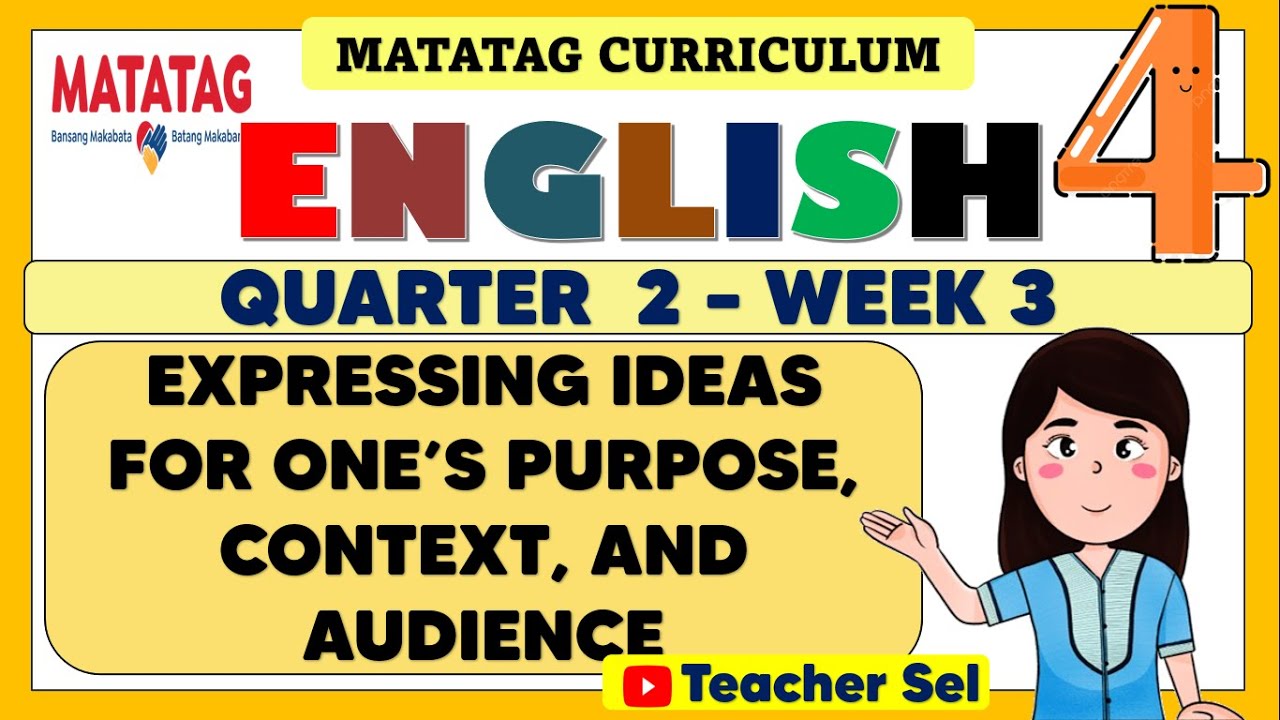
Comprehend informational texts (Listening, Reading; Writing, Speaking) Lesson Objectives: 1. note important information through outlining (topic, main idea, supporting details): inductive organization (pyramid) 2. identify text types according to the author’s purpose (e.g., enumeration-description) 3. draw conclusions based on given information 4. make a summary of a given text Express ideas appropriately (age-appropriate, gender-responsive, culture-sensitive) for one’s purpose, context, and target audience (Speaking and Writing) Lesson Objectives: 1. use appropriate text types (e.g., enumeration-description) for a given purpose, context, and target audience Enumerative-Descriptive Texts (Reading/Listening) 1. noting important details 2. outlining (topic, main idea, supporting details): inductive organization (pyramid) 3. identifying text types and author’s purpose 4. drawing conclusions 5. making a summary
Comprehend informational texts (Listening, Reading; Writing, Speaking) Lesson Objectives: 1. note important information through outlining (topic, main idea, supporting details): inductive organization (pyramid) 2. identify text types according to the author’s purpose (e.g., enumeration-description) 3. draw conclusions based on given information 4. make a summary of a given text Express ideas appropriately (age-appropriate, gender-responsive, culture-sensitive) for one’s purpose, context, and target audience (Speaking and Writing) Lesson Objectives: 1. use appropriate text types (e.g., enumeration-description) for a given purpose, context, and target audience Enumerative-Descriptive Texts (Reading/Listening) 1. noting important details 2. outlining (topic, main idea, supporting details): inductive organization (pyramid) 3. identifying text types and author’s purpose 4. drawing conclusions 5. making a summary
Comprehend informational texts (Listening, Reading; Writing, Speaking) Lesson Objectives: 1. note important information through outlining (topic, main idea, supporting details): inductive organization (pyramid) 2. identify text types according to the author’s purpose (e.g., enumeration-description) 3. draw conclusions based on given information 4. make a summary of a given text Express ideas appropriately (age-appropriate, gender-responsive, culture-sensitive) for one’s purpose, context, and target audience (Speaking and Writing) Lesson Objectives: 1. use appropriate text types (e.g., enumeration-description) for a given purpose, context, and target audience Enumerative-Descriptive Texts (Reading/Listening) 1. noting important details 2. outlining (topic, main idea, supporting details): inductive organization (pyramid) 3. identifying text types and author’s purpose 4. drawing conclusions 5. making a summary
Comprehend informational texts (Listening, Reading; Writing, Speaking) Lesson Objectives: 1. note important information through outlining (topic, main idea, supporting details): inductive organization (pyramid) 2. identify text types according to the author’s purpose (e.g., enumeration-description) 3. draw conclusions based on given information 4. make a summary of a given text Express ideas appropriately (age-appropriate, gender-responsive, culture-sensitive) for one’s purpose, context, and target audience (Speaking and Writing) Lesson Objectives: 5. write a friendly letter (e.g., excuse, invitation, gratitude, etc.) for a given purpose, context, and target audience
Comprehend informational texts (Listening, Reading; Writing, Speaking) Lesson Objectives: 1. note important information through outlining (topic, main idea, supporting details): inductive organization (pyramid) 2. identify text types according to the author’s purpose (e.g., enumeration-description) 3. draw conclusions based on given information 4. make a summary of a given text Express ideas appropriately (age-appropriate, gender-responsive, culture-sensitive) for one’s purpose, context, and target audience (Speaking and Writing) Lesson Objectives: 5. write a friendly letter (e.g., excuse, invitation, gratitude, etc.) for a given purpose, context, and target audience