
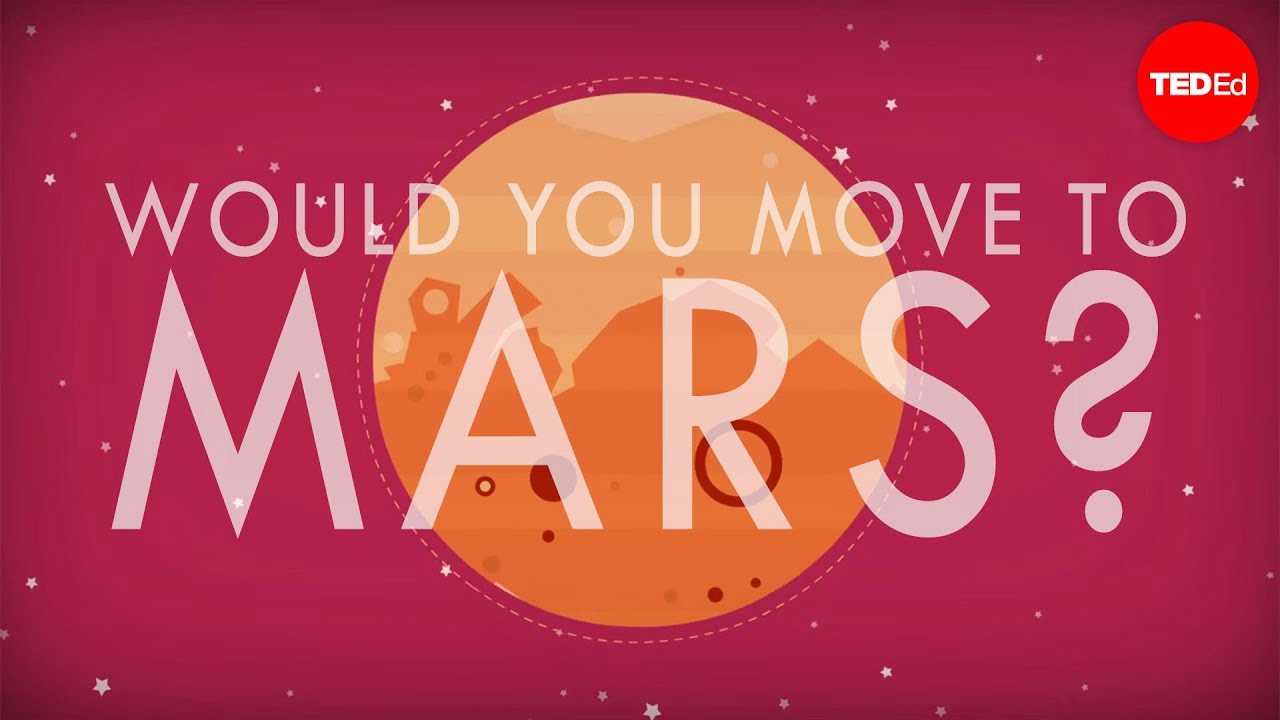
Solar flares! Supermassive black holes! Asteroids and exploding stars! Space has no shortage of dazzling phenomena for us to explore, study, and ponder. Leave the Earth behind and probe the mysteries of the universe with this series. You never know what you might find...
خيارات ترفيهية إضافية خارج MovieBox
نبرز أيضًا وجهات شريكة لعشاق الألعاب الخفيفة والدراما القصيرة. افتح أي تجربة بضغطة واحدة.
قد يعجبك أيضًا
SS 2 Physics
Signal in catalog
SS 1 Physics
Signal in catalog
SS 3 Physics
Signal in catalog
SS 2 Physical
Signal in catalog
SS 3 Physical
Signal in catalog
Kids Songs by CoComelon
Signal in catalog
SS 1 Chemistry
Signal in catalog
Alphabet (ABC) Songs by CoComelon
Signal in catalog
SS 3 Mathematics
Signal in catalog
Doppler effect
Signal in catalog
KS4 Physics
Signal in catalog
Physics
Signal in catalog
Year 11 Physical
Signal in catalog
Momentum Playlist Grade 12
Signal in catalog
Grade 12 Physical Science Exams
Signal in catalog
Electricity Grade 11
Signal in catalog
Grade 11 Newtons Laws
Signal in catalog
Grade 12 Calculus
Signal in catalog
Grade 11 Functions
Signal in catalog
CVC Words
Signal in catalog
Grade 12 Financial Maths
Signal in catalog
SS 1 Physical
Signal in catalog
KS3 Physics
Signal in catalog
SSS12 Physical
Signal in catalog
التعليقات
10 تعليق
Explore the incredible systems that create breathable air in space, and how we can adapt that process for future expeditions. -- For over 25 years, the International Space Station’s air supply systems have revolutionized space missions. Yet the need for regular maintenance, repairs, and upgrades has pushed engineers to develop even more reliable systems for future spacecraft. How do we create breathable air in space? And what does that look like for longer expeditions? Alvaro Romero-Calvo and Theo St Francis investigate. Lesson by Alvaro Romero-Calvo and Theo St Francis, directed by Lazy Chief. Support Our Non-Profit Mission ---------------------------------------------- Support us on Patreon: http://bit.ly/TEDEdPatreon Check out our merch: http://bit.ly/TEDEDShop ---------------------------------------------- Connect With Us ---------------------------------------------- Sign up for our newsletter: http://bit.ly/TEDEdNewsletter Follow us on Facebook: http://bit.ly/TEDEdFacebook F
Explore the incredible systems that create breathable air in space, and how we can adapt that process for future expeditions. -- For over 25 years, the International Space Station’s air supply systems have revolutionized space missions. Yet the need for regular maintenance, repairs, and upgrades has pushed engineers to develop even more reliable systems for future spacecraft. How do we create breathable air in space? And what does that look like for longer expeditions? Alvaro Romero-Calvo and Theo St Francis investigate. Lesson by Alvaro Romero-Calvo and Theo St Francis, directed by Lazy Chief. Support Our Non-Profit Mission ---------------------------------------------- Support us on Patreon: http://bit.ly/TEDEdPatreon Check out our merch: http://bit.ly/TEDEDShop ---------------------------------------------- Connect With Us ---------------------------------------------- Sign up for our newsletter: http://bit.ly/TEDEdNewsletter Follow us on Facebook: http://bit.ly/TEDEdFacebook F
Explore the incredible systems that create breathable air in space, and how we can adapt that process for future expeditions. -- For over 25 years, the International Space Station’s air supply systems have revolutionized space missions. Yet the need for regular maintenance, repairs, and upgrades has pushed engineers to develop even more reliable systems for future spacecraft. How do we create breathable air in space? And what does that look like for longer expeditions? Alvaro Romero-Calvo and Theo St Francis investigate. Lesson by Alvaro Romero-Calvo and Theo St Francis, directed by Lazy Chief. Support Our Non-Profit Mission ---------------------------------------------- Support us on Patreon: http://bit.ly/TEDEdPatreon Check out our merch: http://bit.ly/TEDEDShop ---------------------------------------------- Connect With Us ---------------------------------------------- Sign up for our newsletter: http://bit.ly/TEDEdNewsletter Follow us on Facebook: http://bit.ly/TEDEdFacebook F
Explore the incredible systems that create breathable air in space, and how we can adapt that process for future expeditions. -- For over 25 years, the International Space Station’s air supply systems have revolutionized space missions. Yet the need for regular maintenance, repairs, and upgrades has pushed engineers to develop even more reliable systems for future spacecraft. How do we create breathable air in space? And what does that look like for longer expeditions? Alvaro Romero-Calvo and Theo St Francis investigate. Lesson by Alvaro Romero-Calvo and Theo St Francis, directed by Lazy Chief. Support Our Non-Profit Mission ---------------------------------------------- Support us on Patreon: http://bit.ly/TEDEdPatreon Check out our merch: http://bit.ly/TEDEDShop ---------------------------------------------- Connect With Us ---------------------------------------------- Sign up for our newsletter: http://bit.ly/TEDEdNewsletter Follow us on Facebook: http://bit.ly/TEDEdFacebook F
Dig into why there is so much trash orbiting Earth, and find out what could happen if the debris continues to accumulate. -- There are over 131 million pieces of debris currently whipping around the planet. They range in size from a grain of sand to the size of an entire bus. These orbital debris pose a serious threat to the thousands of satellites that underpin Earth’s vital technologies. So, how can we save our satellites and ourselves from all this trash? Jim Bentley and Imogen Ellen Napper investigate. Lesson by Jim Bentley and Imogen Ellen Napper, directed by Franz Palomares. Support Our Non-Profit Mission ---------------------------------------------- Support us on Patreon: http://bit.ly/TEDEdPatreon Check out our merch: http://bit.ly/TEDEDShop ---------------------------------------------- Connect With Us ---------------------------------------------- Sign up for our newsletter: http://bit.ly/TEDEdNewsletter Follow us on Facebook: http://bit.ly/TEDEdFacebook Find us on Twit
Dig into why there is so much trash orbiting Earth, and find out what could happen if the debris continues to accumulate. -- There are over 131 million pieces of debris currently whipping around the planet. They range in size from a grain of sand to the size of an entire bus. These orbital debris pose a serious threat to the thousands of satellites that underpin Earth’s vital technologies. So, how can we save our satellites and ourselves from all this trash? Jim Bentley and Imogen Ellen Napper investigate. Lesson by Jim Bentley and Imogen Ellen Napper, directed by Franz Palomares. Support Our Non-Profit Mission ---------------------------------------------- Support us on Patreon: http://bit.ly/TEDEdPatreon Check out our merch: http://bit.ly/TEDEDShop ---------------------------------------------- Connect With Us ---------------------------------------------- Sign up for our newsletter: http://bit.ly/TEDEdNewsletter Follow us on Facebook: http://bit.ly/TEDEdFacebook Find us on Twit
Dig into why there is so much trash orbiting Earth, and find out what could happen if the debris continues to accumulate. -- There are over 131 million pieces of debris currently whipping around the planet. They range in size from a grain of sand to the size of an entire bus. These orbital debris pose a serious threat to the thousands of satellites that underpin Earth’s vital technologies. So, how can we save our satellites and ourselves from all this trash? Jim Bentley and Imogen Ellen Napper investigate. Lesson by Jim Bentley and Imogen Ellen Napper, directed by Franz Palomares. Support Our Non-Profit Mission ---------------------------------------------- Support us on Patreon: http://bit.ly/TEDEdPatreon Check out our merch: http://bit.ly/TEDEDShop ---------------------------------------------- Connect With Us ---------------------------------------------- Sign up for our newsletter: http://bit.ly/TEDEdNewsletter Follow us on Facebook: http://bit.ly/TEDEdFacebook Find us on Twit
Dig into why there is so much trash orbiting Earth, and find out what could happen if the debris continues to accumulate. -- There are over 131 million pieces of debris currently whipping around the planet. They range in size from a grain of sand to the size of an entire bus. These orbital debris pose a serious threat to the thousands of satellites that underpin Earth’s vital technologies. So, how can we save our satellites and ourselves from all this trash? Jim Bentley and Imogen Ellen Napper investigate. Lesson by Jim Bentley and Imogen Ellen Napper, directed by Franz Palomares. Support Our Non-Profit Mission ---------------------------------------------- Support us on Patreon: http://bit.ly/TEDEdPatreon Check out our merch: http://bit.ly/TEDEDShop ---------------------------------------------- Connect With Us ---------------------------------------------- Sign up for our newsletter: http://bit.ly/TEDEdNewsletter Follow us on Facebook: http://bit.ly/TEDEdFacebook Find us on Twit