
Des idées divertissement au-delà de MovieBox
Nous mettons aussi en avant des destinations partenaires pour les fans de jeux casual et de mini-dramas. Ouvrez l'une ou l'autre en un clic.
Vous aimerez aussi
How to Be a Better Human
Signal in catalog
Top Videos
Signal in catalog
JoJo and Gran Gran
Signal in catalog
7 Bears | Netflix Jr
Signal in catalog
CoComelon Learn ABCs #Shorts!
Signal in catalog
ChuChu & Friends in Storytime Adventures - ChuChu TV
Signal in catalog
Letters and Letter Sounds
Signal in catalog
Happy Holidays from Netflix Jr!
Signal in catalog
Kids Songs by CoComelon
Signal in catalog
CoComelon
Signal in catalog
Alphabet (ABC) Songs by CoComelon
Signal in catalog
CocoMelon | Little Baby Bum | Blippi - Nursery Rhymes & Kids TV Shows
Signal in catalog
Charlie and Lola Full Episodes
Signal in catalog
Recent videos we think you’ll love
Signal in catalog
New Compilations | Chuggington
Signal in catalog
Berklee Holiday Videos
Signal in catalog
Learn English With Disney Movies
Signal in catalog
Test Your English with TV Series and Movies
Signal in catalog
CoComelon #shorts
Signal in catalog
All New Akili & Me
Signal in catalog
Science on Saturdays at Yale, 2007 - 2008
Signal in catalog
SS 1 Physics
Signal in catalog
SS 2 Physics
Signal in catalog
SS 3 Mathematics
Signal in catalog
Commentaires
10 commentaires
The science behind cooking doesn’t need to make you feel like you’re drowning. Quite the contrary…in the kitchen, water is your friend. Understanding water and its interactions is crucial to the cooking process, and this video helps break it all down for you. You’ll learn the basic principles of water in food systems—including hydrogen bonding, polarity, and changes of phase—and some of the best ways to use it in your cooking. Learn more: ————————————————————————————————————————————————————— The Culinary Institute of America: The CIA at Copia: CIA Restaurant Group: CIA Food Enthusiasts programs: Founded in 1946, The Culinary Institute of America is the world’s premier culinary college. Dedicated to driving leadership development for the foodservice and hospitality industry, the independent, not-for-profit CIA offers associate degrees in culinary arts and baking and pastry arts; bachelor’s degree majors in management, culinary science, and applied food studies; and executive education t
It’s fitting that the word starch begins with “star.” It’s the currency of the kitchen, the fundamental ingredient that’s used in cooking every day. Yes, starch is that important. So it’s just as important that you understand starch and its behavior, and this video helps you get there. You’ll learn to produce so many delicious foods—thickening sauces like velouté, gel desserts like pudding, crispy treats like crackers—that you’ll be a star in the kitchen too! Learn more: ————————————————————————————————————————————————————— The Culinary Institute of America: The CIA at Copia: CIA Restaurant Group: CIA Food Enthusiasts programs: Founded in 1946, The Culinary Institute of America is the world’s premier culinary college. Dedicated to driving leadership development for the foodservice and hospitality industry, the independent, not-for-profit CIA offers associate degrees in culinary arts and baking and pastry arts; bachelor’s degree majors in management, culinary science, and applied food s
If you can’t control the heat, get out of the kitchen. Okay, that’s not exactly how the quote goes, but it’s just as true. Controlling heat—managing the energy transfer in food—is essential to good cooking. Why do you overcook a chicken? Why do darker foods heat faster? This video will help answer these questions, and show you how to consciously add or remove energy from a portion of food to make it delicious. So maybe the quote should be: If you can’t (under)stand the heat, get into our science kitchen. Learn more: ————————————————————————————————————————————————————— The Culinary Institute of America: The CIA at Copia: CIA Restaurant Group: CIA Food Enthusiasts programs: Founded in 1946, The Culinary Institute of America is the world’s premier culinary college. Dedicated to driving leadership development for the foodservice and hospitality industry, the independent, not-for-profit CIA offers associate degrees in culinary arts and baking and pastry arts; bachelor’s degree majors in ma
When it comes to emulsions in cooking, it’s good to be a control freak. Emulsions are at the base of many recipes, and with a clear understanding of what stabilizes and breaks them down, chefs can better control their creations. As this video demonstrates, it’s best to say “can’t we all just get along?” when bringing flavors and textures together in the kitchen. That’s basically what you’re doing when you control emulsions—forcing opposites together, blending the impossible to make a great dish. Learn more: ————————————————————————————————————————————————————— The Culinary Institute of America: The CIA at Copia: CIA Restaurant Group: CIA Food Enthusiasts programs: Founded in 1946, The Culinary Institute of America is the world’s premier culinary college. Dedicated to driving leadership development for the foodservice and hospitality industry, the independent, not-for-profit CIA offers associate degrees in culinary arts and baking and pastry arts; bachelor’s degree majors in management,
There are all kinds of chains in the world—restaurant chains, e-mail chains, gold chains—but in cooking, there’s nothing quite like a protein chain. Proteins are vital; they provide the framework for living things. This video shows you how a protein can change from its natural shape (denaturation) and then become linked together with other protein chains through intermolecular bonds (coagulation). By carefully controlling these processes, chefs can better produce tender, delicious food like the perfect omelet. Learn more: ————————————————————————————————————————————————————— The Culinary Institute of America: The CIA at Copia: CIA Restaurant Group: CIA Food Enthusiasts programs: Founded in 1946, The Culinary Institute of America is the world’s premier culinary college. Dedicated to driving leadership development for the foodservice and hospitality industry, the independent, not-for-profit CIA offers associate degrees in culinary arts and baking and pastry arts; bachelor’s degree majors
When it comes to finding delicious food, go ahead—follow your nose! It turns out “flavor” isn’t only about the taste, but the aroma as well. Chemicals present in the food or released by it into the air signal to our brains what we are eating, through receptors on our tongue and in our nasal passages. Learn how these proteins work to create the sensation of taste and discover how chefs adjust their cooking techniques to retain both the aroma and flavor compounds in their foods. Learn more: ————————————————————————————————————————————————————— The Culinary Institute of America: The CIA at Copia: CIA Restaurant Group: CIA Food Enthusiasts programs: Founded in 1946, The Culinary Institute of America is the world’s premier culinary college. Dedicated to developing leaders in foodservice and hospitality, the independent, not-for-profit CIA offers master’s, bachelor’s, and associate degrees with majors in culinary arts, baking & pastry arts, food business management, hospitality management, c
We read and hear about “gluten” all the time, but where does it actually come from? Gluten formation happens when wheat flour is mixed with water, and that’s where the science fun begins. Here you’ll examine the many steps in the gluten process leading up to the formation of gas bubbles that allow for a light, airy loaf of bread. You’ll also learn why some doughs such as whole wheat contain less gluten, and how certain ingredients can prevent gluten formation. Learn more: ————————————————————————————————————————————————————— The Culinary Institute of America: The CIA at Copia: CIA Restaurant Group: CIA Food Enthusiasts programs: Founded in 1946, The Culinary Institute of America is the world’s premier culinary college. Dedicated to developing leaders in foodservice and hospitality, the independent, not-for-profit CIA offers master’s, bachelor’s, and associate degrees with majors in culinary arts, baking & pastry arts, food business management, hospitality management, culinary science,
Everyone loves fried chicken! Except, that is, when the chicken—or any fried food, for that matter—is too greasy or overcooked. You can avoid that by knowing the science behind this unique method of cooking, from the importance of maintaining high oil temperature to ingredient selection for the batter to effective removal of surface oil from the food. Trust the science, and you’ll be serving up perfectly prepared fried foods in no time. Learn more: ————————————————————————————————————————————————————— The Culinary Institute of America: The CIA at Copia: CIA Restaurant Group: CIA Food Enthusiasts programs: Founded in 1946, The Culinary Institute of America is the world’s premier culinary college. Dedicated to developing leaders in foodservice and hospitality, the independent, not-for-profit CIA offers master’s, bachelor’s, and associate degrees with majors in culinary arts, baking & pastry arts, food business management, hospitality management, culinary science, and applied food studies
When it comes to meat cookery, collagen is king. Understanding where and how much collagen is found in a piece of meat—and how it responds to different cooking methods—goes a long way toward making that meat tender, juicy, and delicious to eat. Find out why as you explore the properties of collagen, how it reacts during the cooking process, and why it varies in different animals. It’s yet another example of science “beefing up” your results in the kitchen! Learn more: ————————————————————————————————————————————————————— The Culinary Institute of America: The CIA at Copia: CIA Restaurant Group: CIA Food Enthusiasts programs: Founded in 1946, The Culinary Institute of America is the world’s premier culinary college. Dedicated to developing leaders in foodservice and hospitality, the independent, not-for-profit CIA offers master’s, bachelor’s, and associate degrees with majors in culinary arts, baking & pastry arts, food business management, hospitality management, culinary science, and
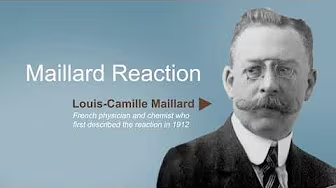
While browning of foods is a common kitchen occurrence, there’s nothing common at all about the science behind it. For instance, there are three types—caramelization, Maillard reaction, and enzymatic browning. Some browning is desirable; some not so much. And caramelized onions get their color and flavor not from caramelization, but from Maillard reaction. Huh??? This analysis of browning clears up much of the confusion as we examine each process through the lens of science. Learn more: ————————————————————————————————————————————————————— The Culinary Institute of America: The CIA at Copia: CIA Restaurant Group: CIA Food Enthusiasts programs: Founded in 1946, The Culinary Institute of America is the world’s premier culinary college. Dedicated to developing leaders in foodservice and hospitality, the independent, not-for-profit CIA offers master’s, bachelor’s, and associate degrees with majors in culinary arts, baking & pastry arts, food business management, hospitality management, cul