
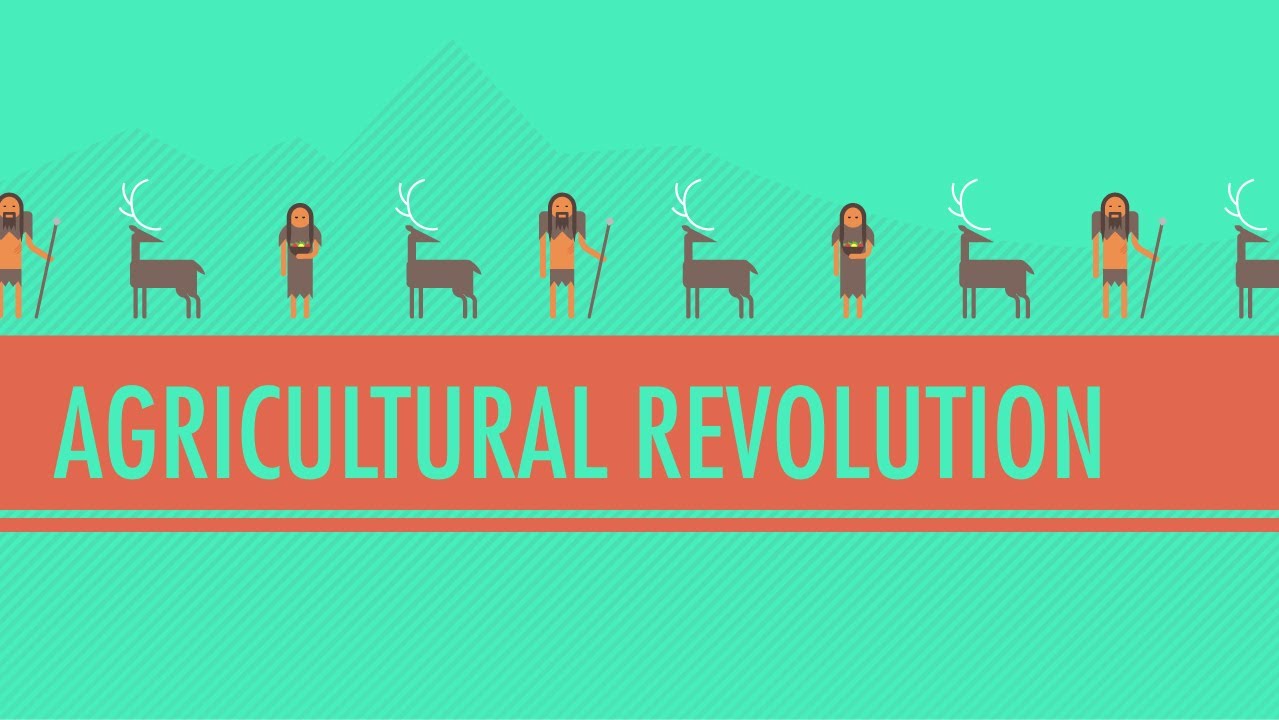
In 42 episodes, John Green will begin teaching you the history of the world! This course is based on the 2012 AP World History curriculum, from growing the first crops in the First Agricultural Revolution to global textile production in the 2010s. By the end of the course, you will be able to: *Identify and explain historical developments and processes *Analyze the context of historical events, developments, and processes and explain how they are situated within a broader historical context *Explain the importance of point of view, historical situation, and audience of a source *Analyze patterns and connections among historical developments and processes, both laterally and chronologically through history *Be a more informed citizen of the world
Des idées divertissement au-delà de MovieBox
Nous mettons aussi en avant des destinations partenaires pour les fans de jeux casual et de mini-dramas. Ouvrez l'une ou l'autre en un clic.
Vous aimerez aussi
Happy Holidays from Netflix Jr!
Signal in catalog
Popular Compilations by CoComelon
Signal in catalog
Animal Fairy Tales: Season 3 (An ebook of 25 stories)
Signal in catalog
ABCs Learn the Alphabet
Signal in catalog
Kids Songs by CoComelon
Signal in catalog
CoComelon
Signal in catalog
Alphabet (ABC) Songs by CoComelon
Signal in catalog
CocoMelon | Little Baby Bum | Blippi - Nursery Rhymes & Kids TV Shows
Signal in catalog
SS 3 Biology
Signal in catalog
SS 3 Physics
Signal in catalog
SS 2 Mathematics
Signal in catalog
SS 1 Business & Finance
Signal in catalog
دروس التاريخ بكالوريا 2026 جميع الشعب
Signal in catalog
التاريخ الصف التاسع | المنهاج السوري 2025-2026
Signal in catalog
فروض واختبارات التاريخ والجغرافيا مع الحل للسنة الثانية متوسط
Signal in catalog
الأستاذ ضياء عريبي 🥇 | التاريخ 🏛️ | الصف التاسع 9️⃣
Signal in catalog
Technology for Kids
Signal in catalog
Best English Language Lessons for Nigerian Students
Signal in catalog
Home-made robots | Electrical Engineering | Khan Academy
Signal in catalog
🌿 Amazing Animals: Wildlife Facts for Kids 🐘
Signal in catalog
CoComelon Lane! Brand New Netflix Kids Show!
Signal in catalog
Kids Songs by CoComelon & Blippi - Nursery Rhymes
Signal in catalog
Gabby's Dollhouse | Netflix Jr
Signal in catalog
Bebefinn EP151-175
Signal in catalog
Commentaires
10 commentaires
In which John Green discusses the strange and mutually beneficial relationship between a republic, the city-state of Venice, and an Empire, the Ottomans--and how studying history can help you to be a better boyfriend/girlfriend. Together, the Ottoman Empire and Venice grew wealthy by facilitating trade: The Venetians had ships and nautical expertise; the Ottomans had access to many of the most valuable goods in the world, especially pepper and grain. Working together across cultural and religious divides, they both become very rich, and the Ottomans became one of the most powerful political entities in the world. We also discuss how economic realities can overcome religious and political differences (in this case between Muslims and Christians), the doges of Venice, the sultans of the Ottoman empire, the janissaries, and the so-called slave aristocracy of the Ottoman Empire, and how money and knowledge from the Islamic world helped fuel and fund the European Renaissance. Also, there's
In which John Green discusses the strange and mutually beneficial relationship between a republic, the city-state of Venice, and an Empire, the Ottomans--and how studying history can help you to be a better boyfriend/girlfriend. Together, the Ottoman Empire and Venice grew wealthy by facilitating trade: The Venetians had ships and nautical expertise; the Ottomans had access to many of the most valuable goods in the world, especially pepper and grain. Working together across cultural and religious divides, they both become very rich, and the Ottomans became one of the most powerful political entities in the world. We also discuss how economic realities can overcome religious and political differences (in this case between Muslims and Christians), the doges of Venice, the sultans of the Ottoman empire, the janissaries, and the so-called slave aristocracy of the Ottoman Empire, and how money and knowledge from the Islamic world helped fuel and fund the European Renaissance. Also, there's
In which John Green discusses the strange and mutually beneficial relationship between a republic, the city-state of Venice, and an Empire, the Ottomans--and how studying history can help you to be a better boyfriend/girlfriend. Together, the Ottoman Empire and Venice grew wealthy by facilitating trade: The Venetians had ships and nautical expertise; the Ottomans had access to many of the most valuable goods in the world, especially pepper and grain. Working together across cultural and religious divides, they both become very rich, and the Ottomans became one of the most powerful political entities in the world. We also discuss how economic realities can overcome religious and political differences (in this case between Muslims and Christians), the doges of Venice, the sultans of the Ottoman empire, the janissaries, and the so-called slave aristocracy of the Ottoman Empire, and how money and knowledge from the Islamic world helped fuel and fund the European Renaissance. Also, there's
In which John Green discusses the strange and mutually beneficial relationship between a republic, the city-state of Venice, and an Empire, the Ottomans--and how studying history can help you to be a better boyfriend/girlfriend. Together, the Ottoman Empire and Venice grew wealthy by facilitating trade: The Venetians had ships and nautical expertise; the Ottomans had access to many of the most valuable goods in the world, especially pepper and grain. Working together across cultural and religious divides, they both become very rich, and the Ottomans became one of the most powerful political entities in the world. We also discuss how economic realities can overcome religious and political differences (in this case between Muslims and Christians), the doges of Venice, the sultans of the Ottoman empire, the janissaries, and the so-called slave aristocracy of the Ottoman Empire, and how money and knowledge from the Islamic world helped fuel and fund the European Renaissance. Also, there's
In which John Green teaches you about World War II, aka The Great Patriotic War, aka The Big One. So how did this war happen? And what does it mean? We've all learned the facts about World War II many times over, thanks to repeated classroom coverage, the History channel, and your grandfather (or maybe great-grandfather) showing you that Nazi bayonet he used to keep in his sock drawer and telling you a bunch of age-inappropriate stories about his harrowing war experiences. So, why did the Axis powers think forceful expansion was a good idea? (they were hungry). So why did this thing shake out in favor of the Allies? Hint: it has to do with the fact that it was a world war. Germany and Japan made some pretty serious strategic errors, such as invading Russia and attacking the United States, and those errors meant that pretty much the whole world was against them. So, find out how this worldwide alliance came together to stop the Axis expansion. All this, plus Canada finally gets the re
In which John Green teaches you about World War II, aka The Great Patriotic War, aka The Big One. So how did this war happen? And what does it mean? We've all learned the facts about World War II many times over, thanks to repeated classroom coverage, the History channel, and your grandfather (or maybe great-grandfather) showing you that Nazi bayonet he used to keep in his sock drawer and telling you a bunch of age-inappropriate stories about his harrowing war experiences. So, why did the Axis powers think forceful expansion was a good idea? (they were hungry). So why did this thing shake out in favor of the Allies? Hint: it has to do with the fact that it was a world war. Germany and Japan made some pretty serious strategic errors, such as invading Russia and attacking the United States, and those errors meant that pretty much the whole world was against them. So, find out how this worldwide alliance came together to stop the Axis expansion. All this, plus Canada finally gets the re
In which John Green teaches you about World War II, aka The Great Patriotic War, aka The Big One. So how did this war happen? And what does it mean? We've all learned the facts about World War II many times over, thanks to repeated classroom coverage, the History channel, and your grandfather (or maybe great-grandfather) showing you that Nazi bayonet he used to keep in his sock drawer and telling you a bunch of age-inappropriate stories about his harrowing war experiences. So, why did the Axis powers think forceful expansion was a good idea? (they were hungry). So why did this thing shake out in favor of the Allies? Hint: it has to do with the fact that it was a world war. Germany and Japan made some pretty serious strategic errors, such as invading Russia and attacking the United States, and those errors meant that pretty much the whole world was against them. So, find out how this worldwide alliance came together to stop the Axis expansion. All this, plus Canada finally gets the re
In which John Green teaches you about World War II, aka The Great Patriotic War, aka The Big One. So how did this war happen? And what does it mean? We've all learned the facts about World War II many times over, thanks to repeated classroom coverage, the History channel, and your grandfather (or maybe great-grandfather) showing you that Nazi bayonet he used to keep in his sock drawer and telling you a bunch of age-inappropriate stories about his harrowing war experiences. So, why did the Axis powers think forceful expansion was a good idea? (they were hungry). So why did this thing shake out in favor of the Allies? Hint: it has to do with the fact that it was a world war. Germany and Japan made some pretty serious strategic errors, such as invading Russia and attacking the United States, and those errors meant that pretty much the whole world was against them. So, find out how this worldwide alliance came together to stop the Axis expansion. All this, plus Canada finally gets the re
Welcome to Crash Course World History Office Hours! John Green and Cathy Keller answer your questions on the Russian Revolution, discuss the origin of nation states, and talk about the best way to approach studying history. Thank you to Flipgrid for sponsoring this series. Check them out here: https://info.flipgrid.com/ 00:00 Introduction 06:02 Causes and effects of the Russian revolution 15:55 Who was Genghis Khan and how was he able to get so much territory? 20:56 How did the Cold War start? 28:17 Kwame Nkrumah and Ghana in African decolonization and the Cold War 31:03 The differences between the Aztecs, Incas, and Mayans 36:09 Ataturk and the origin of nation-states 41:05 What's the best way to look back on history? 44:05 Tips for studying World History 48:24 Why didn't the silk road stretch all the way across Europe? 50:53 Favorite books on history 56:16 Outro Crash Course Study Skills: https://www.youtube.com/watch?v=IhuwS5ZLwKY&list=PL8dPuuaLjXtNcAJRf3bE1IJU6nMfHj86W *** Wat
Welcome to Crash Course World History Office Hours! John Green and Cathy Keller answer your questions on the Russian Revolution, discuss the origin of nation states, and talk about the best way to approach studying history. Thank you to Flipgrid for sponsoring this series. Check them out here: https://info.flipgrid.com/ 00:00 Introduction 06:02 Causes and effects of the Russian revolution 15:55 Who was Genghis Khan and how was he able to get so much territory? 20:56 How did the Cold War start? 28:17 Kwame Nkrumah and Ghana in African decolonization and the Cold War 31:03 The differences between the Aztecs, Incas, and Mayans 36:09 Ataturk and the origin of nation-states 41:05 What's the best way to look back on history? 44:05 Tips for studying World History 48:24 Why didn't the silk road stretch all the way across Europe? 50:53 Favorite books on history 56:16 Outro Crash Course Study Skills: https://www.youtube.com/watch?v=IhuwS5ZLwKY&list=PL8dPuuaLjXtNcAJRf3bE1IJU6nMfHj86W *** Wat