
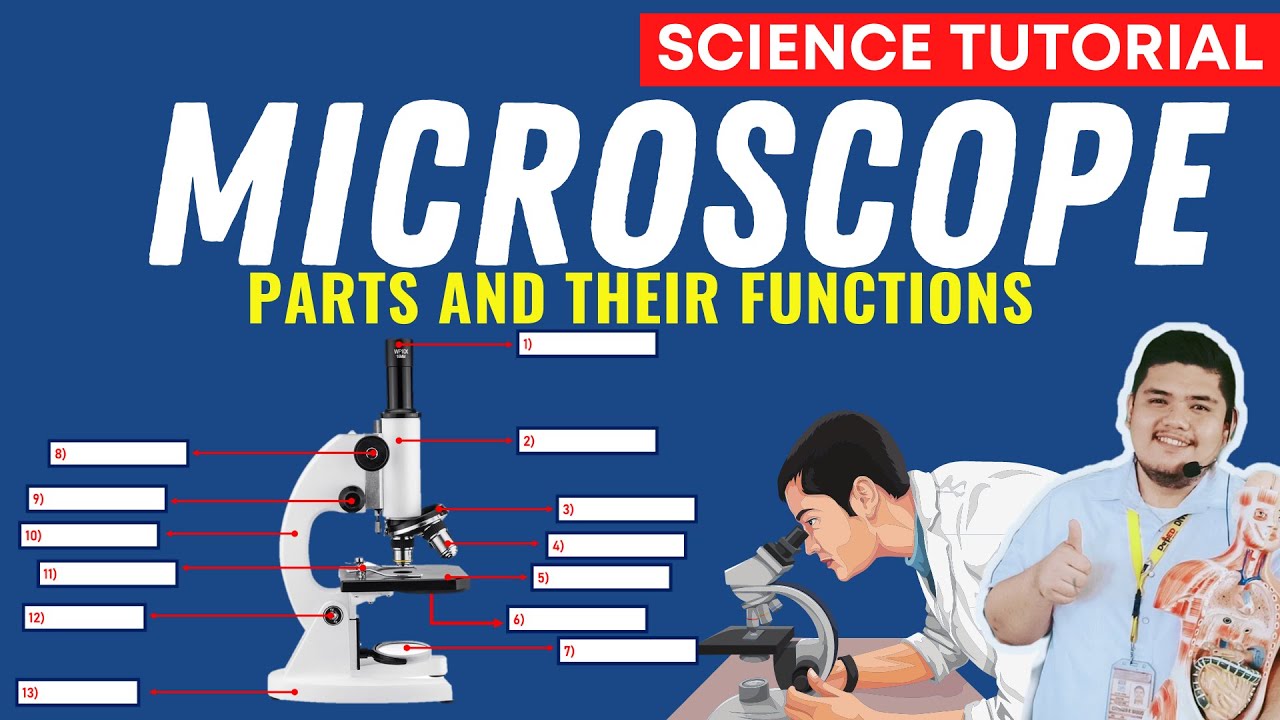
AGHAMazing! This is a playlist of science lessons and tutorials that I made based from the MELCS of the Department of Education. Thanks for watching and sharing.
Pilihan hiburan di luar MovieBox
Kami juga menampilkan partner untuk penggemar game kasual dan short drama. Buka salah satunya hanya dengan satu ketukan.
Mungkin Anda Juga Suka
EXPERIMENTS 🧪 || SAM le SLICK SLIME
Signal in catalog
مقاطع العلوم لغات | الصف الثالث الإعدادي | الترم الأول (2022 - 2023)
Signal in catalog
مادة العلوم - الصف الاول الاعدادى
Signal in catalog
مقاطع العلوم لغات | الصف الخامس الابتدائي | الترم الثاني 2023 - 2024
Signal in catalog
Sineskwela (Full Episodes)
Signal in catalog
Questions No One (Yet) Knows the Answers To
Signal in catalog
SSS 3 Physical Sciences
Signal in catalog
JSS8 Science
Signal in catalog
Grade 07
Signal in catalog
Grade 12 Calculus
Signal in catalog
Grade 11 Functions
Signal in catalog
Grade 12 Euclidean Geometry
Signal in catalog
The Big Questions
Signal in catalog
Grade 11 Physical Science Exams
Signal in catalog
Akili Loves Animals!!
Signal in catalog
Beekeeping with Maddie
Signal in catalog
GRADE 5 - QUARTER 3 (All subjects)
Signal in catalog
Animals
Signal in catalog
SCIENCE 6 - QUARTER 4
Signal in catalog
SCIENCE 5 - QUARTER 2
Signal in catalog
Primary 3 Mathematics
Signal in catalog
CoComelon Dance Party | Dance Along & Kids Songs
Signal in catalog
JS 1 Mathematics
Signal in catalog
English Fairy Tales @EnglishFairyTales
Signal in catalog
Komentar
10 Komentar
RADIATION HEAT TRANSFER Radiation | Heat Transfer | Thermal Radiation | Electromagnetic Waves | Physics Lesson | Science for Students In this video lesson, you will learn about radiation, a powerful method of heat transfer that does not require direct contact or a medium. Using everyday examples such as sunlight warming your skin, feeling heat from a bonfire, and heat coming from an oven, you will understand how heat can travel even through empty space. You will discover that radiation transfers heat through electromagnetic waves, especially infrared radiation. You will learn that all objects with a temperature above absolute zero emit radiation, and that hotter objects emit more radiation than cooler ones. When this radiant energy is absorbed by another object, it is converted into heat, raising the object’s temperature. This lesson explains why radiation is different from conduction and convection, which require direct contact or fluid movement. You will also explore how surface c
RADIATION HEAT TRANSFER Radiation | Heat Transfer | Thermal Radiation | Electromagnetic Waves | Physics Lesson | Science for Students In this video lesson, you will learn about radiation, a powerful method of heat transfer that does not require direct contact or a medium. Using everyday examples such as sunlight warming your skin, feeling heat from a bonfire, and heat coming from an oven, you will understand how heat can travel even through empty space. You will discover that radiation transfers heat through electromagnetic waves, especially infrared radiation. You will learn that all objects with a temperature above absolute zero emit radiation, and that hotter objects emit more radiation than cooler ones. When this radiant energy is absorbed by another object, it is converted into heat, raising the object’s temperature. This lesson explains why radiation is different from conduction and convection, which require direct contact or fluid movement. You will also explore how surface c
RADIATION HEAT TRANSFER Radiation | Heat Transfer | Thermal Radiation | Electromagnetic Waves | Physics Lesson | Science for Students In this video lesson, you will learn about radiation, a powerful method of heat transfer that does not require direct contact or a medium. Using everyday examples such as sunlight warming your skin, feeling heat from a bonfire, and heat coming from an oven, you will understand how heat can travel even through empty space. You will discover that radiation transfers heat through electromagnetic waves, especially infrared radiation. You will learn that all objects with a temperature above absolute zero emit radiation, and that hotter objects emit more radiation than cooler ones. When this radiant energy is absorbed by another object, it is converted into heat, raising the object’s temperature. This lesson explains why radiation is different from conduction and convection, which require direct contact or fluid movement. You will also explore how surface c
RADIATION HEAT TRANSFER Radiation | Heat Transfer | Thermal Radiation | Electromagnetic Waves | Physics Lesson | Science for Students In this video lesson, you will learn about radiation, a powerful method of heat transfer that does not require direct contact or a medium. Using everyday examples such as sunlight warming your skin, feeling heat from a bonfire, and heat coming from an oven, you will understand how heat can travel even through empty space. You will discover that radiation transfers heat through electromagnetic waves, especially infrared radiation. You will learn that all objects with a temperature above absolute zero emit radiation, and that hotter objects emit more radiation than cooler ones. When this radiant energy is absorbed by another object, it is converted into heat, raising the object’s temperature. This lesson explains why radiation is different from conduction and convection, which require direct contact or fluid movement. You will also explore how surface c
CONVECTION CURRENTS HEAT TRANSFER Convection | Heat Transfer | Convection Currents | Thermal Energy | Physics Lesson | Science for Students In this video lesson, you will learn about convection, an important method of heat transfer that occurs in liquids and gases. Using everyday examples such as boiling water, rising warm air, and hot air balloons, you will see how heat moves through the actual movement of fluids like water and air. You will understand that convection happens when a fluid is heated, becomes less dense, and rises, while cooler, denser fluid sinks. This continuous rising and sinking creates convection currents, which allow heat to spread efficiently throughout the fluid. You will also learn why convection is a continuous cycle that continues as long as there is a heat source and a temperature difference. This lesson explains why convection does not occur in solids, since solid particles cannot move freely. You will explore real-life examples of convection in liquids
CONVECTION CURRENTS HEAT TRANSFER Convection | Heat Transfer | Convection Currents | Thermal Energy | Physics Lesson | Science for Students In this video lesson, you will learn about convection, an important method of heat transfer that occurs in liquids and gases. Using everyday examples such as boiling water, rising warm air, and hot air balloons, you will see how heat moves through the actual movement of fluids like water and air. You will understand that convection happens when a fluid is heated, becomes less dense, and rises, while cooler, denser fluid sinks. This continuous rising and sinking creates convection currents, which allow heat to spread efficiently throughout the fluid. You will also learn why convection is a continuous cycle that continues as long as there is a heat source and a temperature difference. This lesson explains why convection does not occur in solids, since solid particles cannot move freely. You will explore real-life examples of convection in liquids
CONVECTION CURRENTS HEAT TRANSFER Convection | Heat Transfer | Convection Currents | Thermal Energy | Physics Lesson | Science for Students In this video lesson, you will learn about convection, an important method of heat transfer that occurs in liquids and gases. Using everyday examples such as boiling water, rising warm air, and hot air balloons, you will see how heat moves through the actual movement of fluids like water and air. You will understand that convection happens when a fluid is heated, becomes less dense, and rises, while cooler, denser fluid sinks. This continuous rising and sinking creates convection currents, which allow heat to spread efficiently throughout the fluid. You will also learn why convection is a continuous cycle that continues as long as there is a heat source and a temperature difference. This lesson explains why convection does not occur in solids, since solid particles cannot move freely. You will explore real-life examples of convection in liquids
CONVECTION CURRENTS HEAT TRANSFER Convection | Heat Transfer | Convection Currents | Thermal Energy | Physics Lesson | Science for Students In this video lesson, you will learn about convection, an important method of heat transfer that occurs in liquids and gases. Using everyday examples such as boiling water, rising warm air, and hot air balloons, you will see how heat moves through the actual movement of fluids like water and air. You will understand that convection happens when a fluid is heated, becomes less dense, and rises, while cooler, denser fluid sinks. This continuous rising and sinking creates convection currents, which allow heat to spread efficiently throughout the fluid. You will also learn why convection is a continuous cycle that continues as long as there is a heat source and a temperature difference. This lesson explains why convection does not occur in solids, since solid particles cannot move freely. You will explore real-life examples of convection in liquids
Heat Transfer | Conduction | Thermal Energy | Conductors | Insulators | Thermal Equilibrium | SIR BAS TV In this video lesson, you will learn about heat transfer, thermal energy, and conduction through easy-to-understand, real-life examples. You will explore why a metal spoon becomes hot in coffee, why a pan handle heats up, and how an iron quickly transfers heat to fabric. You will understand what heat transfer is and why heat always flows from hot objects to cold objects. The lesson explains how heat energy moves until thermal equilibrium is reached, where no further heat transfer occurs. This video focuses on conduction, one of the three modes of heat transfer along with convection and radiation. You will see how conduction happens through direct contact, how heat moves through particle collisions, and why it is most effective in solids, especially metals. You will also learn the difference between conductors and insulators. Materials such as copper, aluminum, and iron are expla
Heat Transfer | Conduction | Thermal Energy | Conductors | Insulators | Thermal Equilibrium | SIR BAS TV In this video lesson, you will learn about heat transfer, thermal energy, and conduction through easy-to-understand, real-life examples. You will explore why a metal spoon becomes hot in coffee, why a pan handle heats up, and how an iron quickly transfers heat to fabric. You will understand what heat transfer is and why heat always flows from hot objects to cold objects. The lesson explains how heat energy moves until thermal equilibrium is reached, where no further heat transfer occurs. This video focuses on conduction, one of the three modes of heat transfer along with convection and radiation. You will see how conduction happens through direct contact, how heat moves through particle collisions, and why it is most effective in solids, especially metals. You will also learn the difference between conductors and insulators. Materials such as copper, aluminum, and iron are expla