
MovieBox سے آگے بھی entertainment picks
ہم casual games اور short drama پسند کرنے والوں کے لیے partner destinations بھی دکھاتے ہیں۔ کسی بھی تجربے کو ایک ٹیپ میں کھولیں۔
آپ کو یہ بھی پسند آ سکتا ہے
SS 3 Physics
Signal in catalog
CoComelon - Happy Holidays
Signal in catalog
Nursery Rhymes by CoComelon
Signal in catalog
CoComelon Dance Party - Mix
Signal in catalog
Primary 1 Science & Technology
Signal in catalog
BabyBus | Super Panda Rescue Team | Cartoon for Kids | Kids Animation
Signal in catalog
BabyBus | Kids Cartoon | Stories for Kids | #Reading
Signal in catalog
SS 3 Physical
Signal in catalog
Programming in Python
Signal in catalog
JS 3 Science & Technology
Signal in catalog
KS2 English
Signal in catalog
Learn With Ms Rachel - Learn To Talk - Baby, Toddler and Preschool Learning
Signal in catalog
Learn To Talk with Ms Rachel
Signal in catalog
Songs for Kids
Signal in catalog
Learn English with PODCASTS
Signal in catalog
Animal Videos
Signal in catalog
Learn Colors, Numbers, Shapes and Letters with Ms Rachel
Signal in catalog
Learn British English with TV Series
Signal in catalog
Principles of UX/UI Design
Signal in catalog
KS3 Maths
Signal in catalog
Learn English with Celebrities
Signal in catalog
Year 8 English
Signal in catalog
English Fluency Coaching Lessons
Signal in catalog
Languages for Kids
Signal in catalog
تبصرے
4 تبصرے
In this kickoff episode of Battle of the Branches, Professor Will Baude explores the evolving power of the executive branch and asks whether Congress and the states still serve as meaningful checks. Joined by Professor Bridget Fahey and Associate Professor Ruth Bloch Rubin, the conversation dives into federalism, legislative oversight, and the real dynamics behind the separation of powers today.
The latest installment of the @BattleoftheBranches series, this episode asks: Today it may seem to some people like we are seeing unprecedented conflicts with the executive branch. But are they really unprecedented? What have been the major past conflicts over federal power, or executive power (Jackson? Johnson? 20th Century?)? How did those conflicts change the country? Do they give us perspective on the conflicts today?
What is the scope of the President’s power over war and foreign policy? Are there any internal constraints – legal, political, institutional – on the President’s behavior toward other countries? Does the executive’s ability to operate in secret allow it to evade these potential constraints? Have these dynamics changed over time, and if so, why?
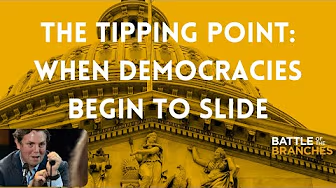
What are the threats to the norms and institutions of democracy, whether in America or around the world? When democracies weaken or die, does it happen suddenly or gradually? What are the first changes we might see? What are the causes? And what, if anything, can democracies do to stop it?