
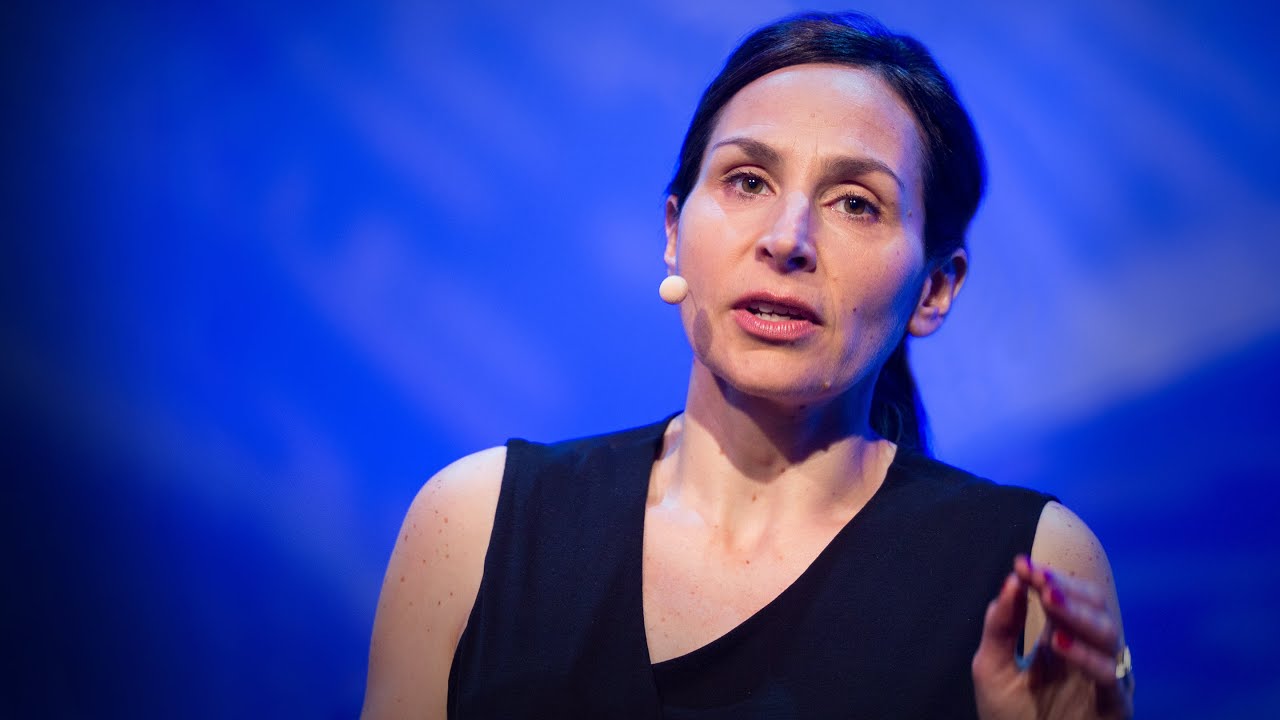
If the brain takes care of the body, how does the brain take care of itself? Find out the remarkable things the brain can do to stay in tiptop shape.
MovieBox سے آگے بھی entertainment picks
ہم casual games اور short drama پسند کرنے والوں کے لیے partner destinations بھی دکھاتے ہیں۔ کسی بھی تجربے کو ایک ٹیپ میں کھولیں۔
آپ کو یہ بھی پسند آ سکتا ہے
JS 3 Mathematics
Signal in catalog
SS 2 Physical
Signal in catalog
Primary 6 Mathematics
Signal in catalog
SS 2 English
Signal in catalog
Kids Songs by CoComelon
Signal in catalog
Learn Colors with CoComelon!
Signal in catalog
Year1 English
Signal in catalog
CoComelon & Friends Holiday and Christmas Videos for Kids | Little Baby Bum | Go Buster and More!
Signal in catalog
CoComelon
Signal in catalog
Alphabet (ABC) Songs by CoComelon
Signal in catalog
CocoMelon | Little Baby Bum | Blippi - Nursery Rhymes & Kids TV Shows
Signal in catalog
Learn English With Disney Movies
Signal in catalog
How to mobilize healthier communities
Signal in catalog
Motivation for the New Year (and every day, really)
Signal in catalog
TED Talks to boost your brain in 2026
Signal in catalog
Your Money and Your Mind with Wendy De La Rosa, a TED series
Signal in catalog
CoComelon - Happy Holidays
Signal in catalog
BabyBus | Learning Vehicles Song | Car Songs | Cars for Kids | Nursery Rhymes | Baby Cartoon
Signal in catalog
CoComelon For Journeys
Signal in catalog
Kids Songs & Cartoons of Kitten Family | Kids Cartoon for Kids | BabyBus
Signal in catalog
Psychology
Signal in catalog
How to boost your brain and memory
Signal in catalog
Crash Course At The Movies
Signal in catalog
Animals
Signal in catalog
تبصرے
6 تبصرے
The brain uses a quarter of the body's entire energy supply, yet only accounts for about two percent of the body's mass. So how does this unique organ receive and, perhaps more importantly, rid itself of vital nutrients? New research suggests it has to do with sleep. TEDTalks is a daily video podcast of the best talks and performances from the TED Conference, where the world's leading thinkers and doers give the talk of their lives in 18 minutes (or less). Look for talks on Technology, Entertainment and Design -- plus science, business, global issues, the arts and much more. Find closed captions and translated subtitles in many languages at http://www.ted.com/translate Follow TED news on Twitter: http://www.twitter.com/tednews Like TED on Facebook: https://www.facebook.com/TED Subscribe to our channel: http://www.youtube.com/user/TEDtalksDirector
The brain uses a quarter of the body's entire energy supply, yet only accounts for about two percent of the body's mass. So how does this unique organ receive and, perhaps more importantly, rid itself of vital nutrients? New research suggests it has to do with sleep. TEDTalks is a daily video podcast of the best talks and performances from the TED Conference, where the world's leading thinkers and doers give the talk of their lives in 18 minutes (or less). Look for talks on Technology, Entertainment and Design -- plus science, business, global issues, the arts and much more. Find closed captions and translated subtitles in many languages at http://www.ted.com/translate Follow TED news on Twitter: http://www.twitter.com/tednews Like TED on Facebook: https://www.facebook.com/TED Subscribe to our channel: http://www.youtube.com/user/TEDtalksDirector
http://www.ted.com Neuroscientist Michael Merzenich looks at one of the secrets of the brain's incredible power: its ability to actively re-wire itself. He's researching ways to harness the brain's plasticity to enhance our skills and recover lost function. TEDTalks is a daily video podcast of the best talks and performances from the TED Conference, where the world's leading thinkers and doers give the talk of their lives in 18 minutes. Featured speakers have included Al Gore on climate change, Philippe Starck on design, Jill Bolte Taylor on observing her own stroke, Nicholas Negroponte on One Laptop per Child, Jane Goodall on chimpanzees, and "Lost" producer JJ Abrams on the allure of mystery. TED stands for Technology, Entertainment, Design, and TEDTalks cover these topics as well as science, business, development and the arts. Watch the Top 10 TEDTalks on TED.com, at http://www.ted.com/index.php/talks/top10
http://www.ted.com Neuroscientist Michael Merzenich looks at one of the secrets of the brain's incredible power: its ability to actively re-wire itself. He's researching ways to harness the brain's plasticity to enhance our skills and recover lost function. TEDTalks is a daily video podcast of the best talks and performances from the TED Conference, where the world's leading thinkers and doers give the talk of their lives in 18 minutes. Featured speakers have included Al Gore on climate change, Philippe Starck on design, Jill Bolte Taylor on observing her own stroke, Nicholas Negroponte on One Laptop per Child, Jane Goodall on chimpanzees, and "Lost" producer JJ Abrams on the allure of mystery. TED stands for Technology, Entertainment, Design, and TEDTalks cover these topics as well as science, business, development and the arts. Watch the Top 10 TEDTalks on TED.com, at http://www.ted.com/index.php/talks/top10
Through treating everything from strokes to car accident traumas, neurosurgeon Jocelyne Bloch knows the brain's inability to repair itself all too well. But now, she suggests, she and her colleagues may have found the key to neural repair: Doublecortin-positive cells. Similar to stem cells, they are extremely adaptable and, when extracted from a brain, cultured and then re-injected in a lesioned area of the same brain, they can help repair and rebuild it. "With a little help," Bloch says, "the brain may be able to help itself." TEDTalks is a daily video podcast of the best talks and performances from the TED Conference, where the world's leading thinkers and doers give the talk of their lives in 18 minutes (or less). Look for talks on Technology, Entertainment and Design -- plus science, business, global issues, the arts and much more. Find closed captions and translated subtitles in many languages at http://www.ted.com/translate Follow TED news on Twitter: http://www.twitter.com/ted
Through treating everything from strokes to car accident traumas, neurosurgeon Jocelyne Bloch knows the brain's inability to repair itself all too well. But now, she suggests, she and her colleagues may have found the key to neural repair: Doublecortin-positive cells. Similar to stem cells, they are extremely adaptable and, when extracted from a brain, cultured and then re-injected in a lesioned area of the same brain, they can help repair and rebuild it. "With a little help," Bloch says, "the brain may be able to help itself." TEDTalks is a daily video podcast of the best talks and performances from the TED Conference, where the world's leading thinkers and doers give the talk of their lives in 18 minutes (or less). Look for talks on Technology, Entertainment and Design -- plus science, business, global issues, the arts and much more. Find closed captions and translated subtitles in many languages at http://www.ted.com/translate Follow TED news on Twitter: http://www.twitter.com/ted