
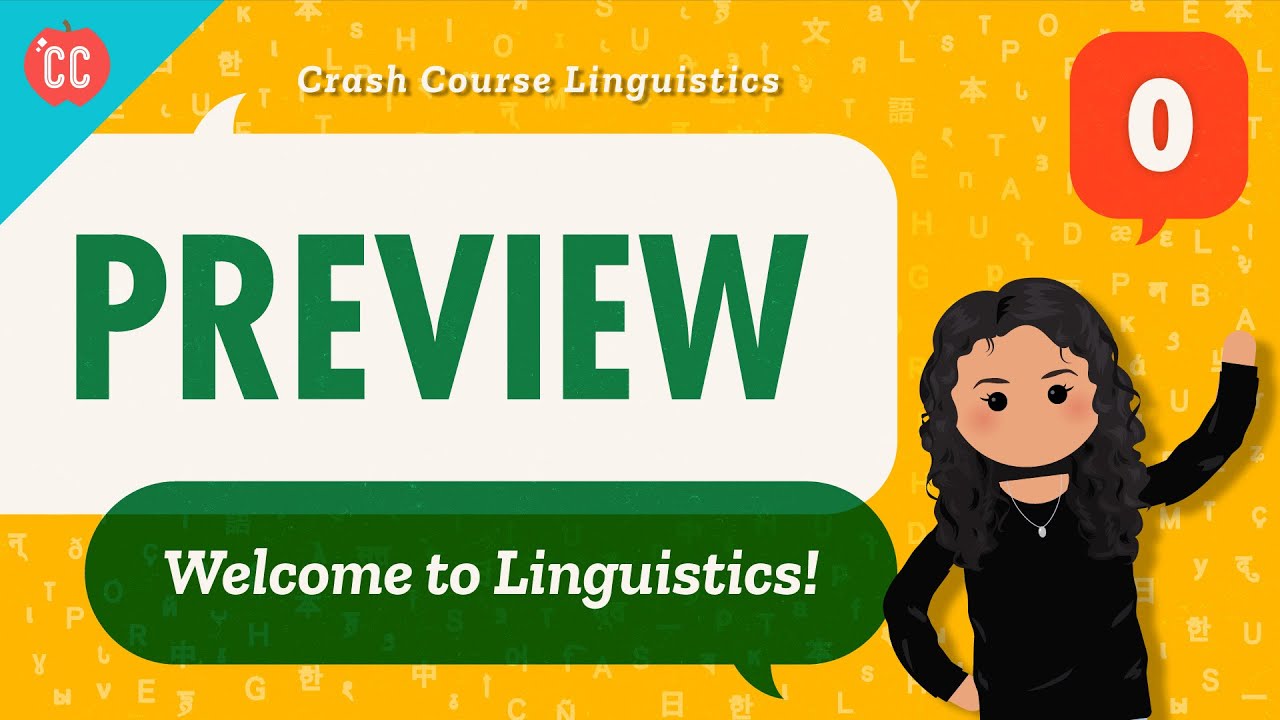
In 16 episodes, Taylor Behnke teaches you linguistics! The content is based on an introductory university-level curriculum, curated by a team of linguists: Lauren Gawne, Jessi Grieser, and Gretchen McCulloch. By the end of this course, you will be able to: * Understand how linguists approach analyzing language, including our ethical responsibility to use our increased understanding of how language works to be more compassionate with language * Identify and analyze the structural features of language, across different levels, including phonetics, phonology, morphology, syntax, semantics and pragmatics * Apply this structural approach to describe language as it is used, including its social functions, how people learn language, and how language is used in technology * Recognize that there are thousands of spoken languages and hundreds of signed languages in the world * Identify the International Phonetic Alphabet and understand the system behind how the IPA chart is organized
MovieBox سے آگے بھی entertainment picks
ہم casual games اور short drama پسند کرنے والوں کے لیے partner destinations بھی دکھاتے ہیں۔ کسی بھی تجربے کو ایک ٹیپ میں کھولیں۔
آپ کو یہ بھی پسند آ سکتا ہے
Shapes, Colors, & Music by CoComelon
Signal in catalog
Mighty Little Bheem | Netflix Jr.
Signal in catalog
Princess Songs and Nursery Rhymes for Babies - CoComelon Kids Songs
Signal in catalog
March 2024 KIDS Songs from LooLoo Kids
Signal in catalog
ABC Videos: Write the Letter - Alphabet Writing Lessons for Children
Signal in catalog
CoComelon | Netflix Jr
Signal in catalog
Year3 English
Signal in catalog
Popular Compilations by CoComelon
Signal in catalog
ABCs, 123s, and MORE with Sesame Street and The Children's Kingdom Nursery Rhymes
Signal in catalog
Introduction to Artificial Intelligence (AI)
Signal in catalog
Halloween Songs For Kids - CoComelon
Signal in catalog
Summer Songs for Babies! CoComelon Summertime
Signal in catalog
Year7 German
Signal in catalog
English Learning Videos!
Signal in catalog
Excel Basics for Data Analysis
Signal in catalog
Zoobees Cartoon Nursery Rhymes for Kids & Videos for Toddlers
Signal in catalog
Songs & Music Videos for Kids 🎶 Netflix Jr
Signal in catalog
Netflix Jr. Trailers
Signal in catalog
Counting 1 - 20
Signal in catalog
Fruits & Vegetables with Sesame Street and Bounce Patrol! 🍎🍇🌽🥕
Signal in catalog
Classic 2D Nursery Rhymes by CoComelon
Signal in catalog
Bedtime Stories for Kids
Signal in catalog
Best Educational Videos for Kids and Toddlers
Signal in catalog
This is the Way Song! CoComelon Nursery Rhyme Mix
Signal in catalog
تبصرے
10 تبصرے
All societies have spoken or signed language, but not all languages have a written form. Since writing developed in different ways in different places, writing systems differ greatly around the world. In this final episode of Crash Course Linguistics, we’ll learn about writing systems, also called orthographies, the different components that make up a writing system, the development of different writing systems over time, and more! Want even more linguistics? Check out the Lingthusiasm podcast, hosted by the writers of Crash Course Linguistics: lingthusiasm.com *** Watch our videos and review your learning with the Crash Course App! Download here for Apple Devices: https://apple.co/3d4eyZo Download here for Android Devices: https://bit.ly/2SrDulJ Crash Course is on Patreon! You can support us directly by signing up at http://www.patreon.com/crashcourse Thanks to the following patrons for their generous monthly contributions that help keep Crash Course free for everyone forever: E
All societies have spoken or signed language, but not all languages have a written form. Since writing developed in different ways in different places, writing systems differ greatly around the world. In this final episode of Crash Course Linguistics, we’ll learn about writing systems, also called orthographies, the different components that make up a writing system, the development of different writing systems over time, and more! Want even more linguistics? Check out the Lingthusiasm podcast, hosted by the writers of Crash Course Linguistics: lingthusiasm.com *** Watch our videos and review your learning with the Crash Course App! Download here for Apple Devices: https://apple.co/3d4eyZo Download here for Android Devices: https://bit.ly/2SrDulJ Crash Course is on Patreon! You can support us directly by signing up at http://www.patreon.com/crashcourse Thanks to the following patrons for their generous monthly contributions that help keep Crash Course free for everyone forever: E
All societies have spoken or signed language, but not all languages have a written form. Since writing developed in different ways in different places, writing systems differ greatly around the world. In this final episode of Crash Course Linguistics, we’ll learn about writing systems, also called orthographies, the different components that make up a writing system, the development of different writing systems over time, and more! Want even more linguistics? Check out the Lingthusiasm podcast, hosted by the writers of Crash Course Linguistics: lingthusiasm.com *** Watch our videos and review your learning with the Crash Course App! Download here for Apple Devices: https://apple.co/3d4eyZo Download here for Android Devices: https://bit.ly/2SrDulJ Crash Course is on Patreon! You can support us directly by signing up at http://www.patreon.com/crashcourse Thanks to the following patrons for their generous monthly contributions that help keep Crash Course free for everyone forever: E
All societies have spoken or signed language, but not all languages have a written form. Since writing developed in different ways in different places, writing systems differ greatly around the world. In this final episode of Crash Course Linguistics, we’ll learn about writing systems, also called orthographies, the different components that make up a writing system, the development of different writing systems over time, and more! Want even more linguistics? Check out the Lingthusiasm podcast, hosted by the writers of Crash Course Linguistics: lingthusiasm.com *** Watch our videos and review your learning with the Crash Course App! Download here for Apple Devices: https://apple.co/3d4eyZo Download here for Android Devices: https://bit.ly/2SrDulJ Crash Course is on Patreon! You can support us directly by signing up at http://www.patreon.com/crashcourse Thanks to the following patrons for their generous monthly contributions that help keep Crash Course free for everyone forever: E
Computers are pretty great, and we use them for different language tasks every day. But teaching computers to understand language is surprisingly difficult! In this episode of Crash Course Linguistics, we’ll learn about programming computers to process human language, which is called computational linguistics, or natural language processing. We’ll look at the types of language tasks computers can and can’t do, how natural language processing works, as well as the different types of biases that exist in machine learning. Want even more linguistics? Check out the Lingthusiasm podcast, hosted by the writers of Crash Course Linguistics: https://lingthusiasm.com/ *** Watch our videos and review your learning with the Crash Course App! Download here for Apple Devices: https://apple.co/3d4eyZo Download here for Android Devices: https://bit.ly/2SrDulJ Crash Course is on Patreon! You can support us directly by signing up at http://www.patreon.com/crashcourse Thanks to the following patrons
Computers are pretty great, and we use them for different language tasks every day. But teaching computers to understand language is surprisingly difficult! In this episode of Crash Course Linguistics, we’ll learn about programming computers to process human language, which is called computational linguistics, or natural language processing. We’ll look at the types of language tasks computers can and can’t do, how natural language processing works, as well as the different types of biases that exist in machine learning. Want even more linguistics? Check out the Lingthusiasm podcast, hosted by the writers of Crash Course Linguistics: https://lingthusiasm.com/ *** Watch our videos and review your learning with the Crash Course App! Download here for Apple Devices: https://apple.co/3d4eyZo Download here for Android Devices: https://bit.ly/2SrDulJ Crash Course is on Patreon! You can support us directly by signing up at http://www.patreon.com/crashcourse Thanks to the following patrons
Computers are pretty great, and we use them for different language tasks every day. But teaching computers to understand language is surprisingly difficult! In this episode of Crash Course Linguistics, we’ll learn about programming computers to process human language, which is called computational linguistics, or natural language processing. We’ll look at the types of language tasks computers can and can’t do, how natural language processing works, as well as the different types of biases that exist in machine learning. Want even more linguistics? Check out the Lingthusiasm podcast, hosted by the writers of Crash Course Linguistics: https://lingthusiasm.com/ *** Watch our videos and review your learning with the Crash Course App! Download here for Apple Devices: https://apple.co/3d4eyZo Download here for Android Devices: https://bit.ly/2SrDulJ Crash Course is on Patreon! You can support us directly by signing up at http://www.patreon.com/crashcourse Thanks to the following patrons
If you ask a linguist “How many languages are there in the world?” the answer most will give you is “around 7000”. We say “around” because there are several factors that make it difficult to determine what exactly counts as a language, including the difficulty of distinguishing between languages and dialects, various political factors, and the fact that not all languages have the same degree of resources and records. In this episode of Crash Course Linguistics, we’ll explore these 3 factors to learn about world languages and linguistic diversity, as well as the inequities that these factors can create. Want even more linguistics? Check out the Lingthusiasm podcast, hosted by the writers of Crash Course Linguistics: https://lingthusiasm.com/ Subscribe to Storied for It’s Lit, Monstrum, and Verbatim (coming soon!): https://www.youtube.com/pbsstoried *** Watch our videos and review your learning with the Crash Course App! Download here for Apple Devices: https://apple.co/3d4eyZo Down
If you ask a linguist “How many languages are there in the world?” the answer most will give you is “around 7000”. We say “around” because there are several factors that make it difficult to determine what exactly counts as a language, including the difficulty of distinguishing between languages and dialects, various political factors, and the fact that not all languages have the same degree of resources and records. In this episode of Crash Course Linguistics, we’ll explore these 3 factors to learn about world languages and linguistic diversity, as well as the inequities that these factors can create. Want even more linguistics? Check out the Lingthusiasm podcast, hosted by the writers of Crash Course Linguistics: https://lingthusiasm.com/ Subscribe to Storied for It’s Lit, Monstrum, and Verbatim (coming soon!): https://www.youtube.com/pbsstoried *** Watch our videos and review your learning with the Crash Course App! Download here for Apple Devices: https://apple.co/3d4eyZo Down
If you ask a linguist “How many languages are there in the world?” the answer most will give you is “around 7000”. We say “around” because there are several factors that make it difficult to determine what exactly counts as a language, including the difficulty of distinguishing between languages and dialects, various political factors, and the fact that not all languages have the same degree of resources and records. In this episode of Crash Course Linguistics, we’ll explore these 3 factors to learn about world languages and linguistic diversity, as well as the inequities that these factors can create. Want even more linguistics? Check out the Lingthusiasm podcast, hosted by the writers of Crash Course Linguistics: https://lingthusiasm.com/ Subscribe to Storied for It’s Lit, Monstrum, and Verbatim (coming soon!): https://www.youtube.com/pbsstoried *** Watch our videos and review your learning with the Crash Course App! Download here for Apple Devices: https://apple.co/3d4eyZo Down