
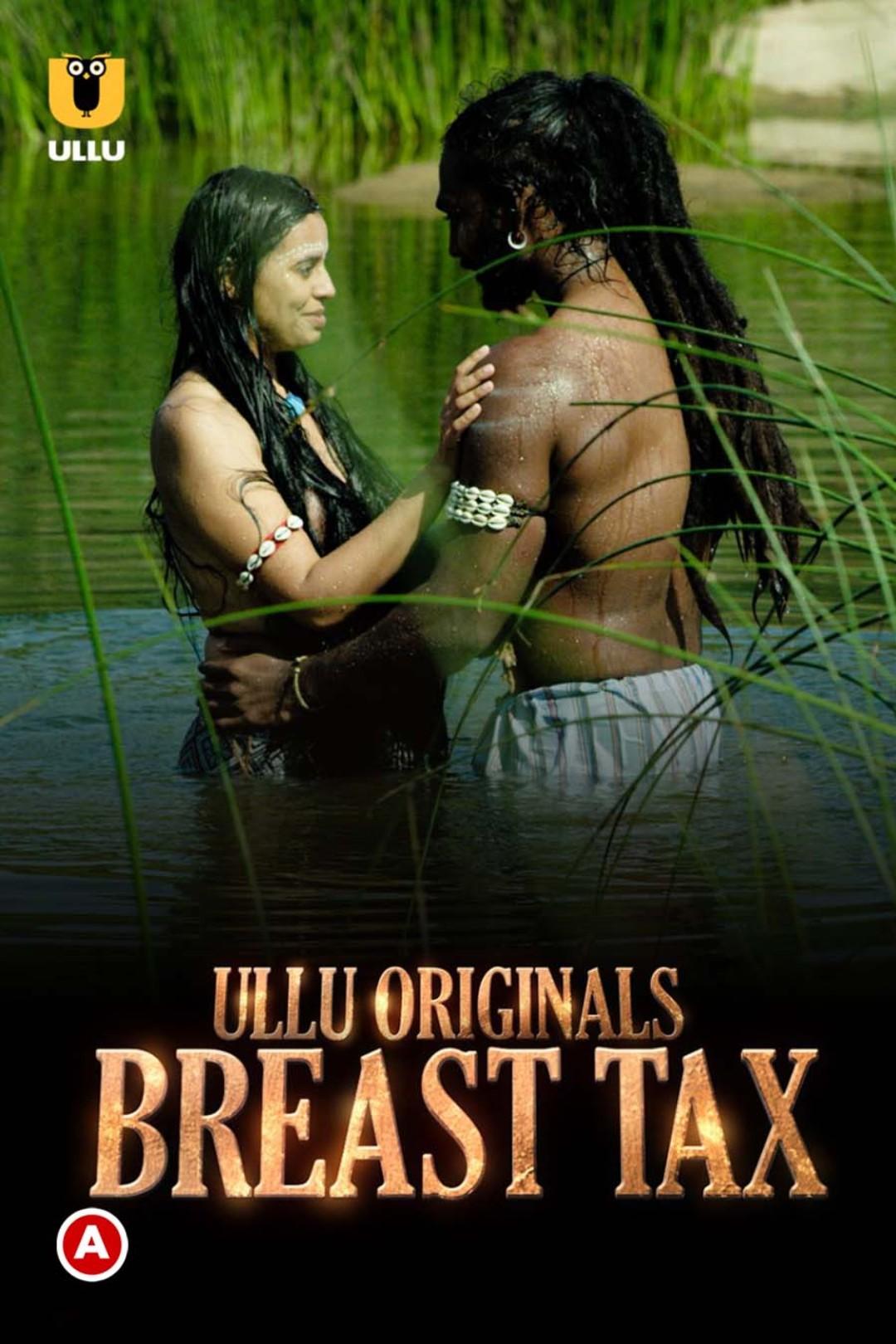
La série raconte lhistoire vraie de la Breast Tax, une taxe imposée par le royaume de Travancore (Kerala). Si les femmes hindoues des castes inférieures voulaient couvrir leurs seins en public, elles devaient payer une taxe.
Bande-annonce
Casting
Jasbir Bhaati
Director
Shalini Sahaye
Nilu
Mateen Khan
Bhiku
Sonal Singh
Rudra
Juned Alam
Niyog
Suraj Soni
Manoj
Gauri Shankar
Pradhan
Azam Khan
Tony
Des idées divertissement au-delà de MovieBox
Nous mettons aussi en avant des destinations partenaires pour les fans de jeux casual et de mini-dramas. Ouvrez l'une ou l'autre en un clic.
Vous aimerez aussi
Breast Tax
Signal in catalog
House Keeping
Signal in catalog
Nain Sukh
Signal in catalog
Bhookh
Signal in catalog
LenDen
Signal in catalog
Kache Rishtey
Signal in catalog
XXX: Uncensored
Signal in catalog
Wanna Have a Good Time
Signal in catalog
Malkin Bhabhi
Signal in catalog
Putala
Signal in catalog
Behind the Scenes
Signal in catalog
Babli Har Mard Ki
Signal in catalog
Shahad
Signal in catalog
Galtiyan
Signal in catalog
Neelami
Signal in catalog
Sitiyabaaz
Signal in catalog
Crimes and Confessions
Signal in catalog
Opération Safed Sagar: Plus haut que jamais
Signal in catalog
The Court
Signal in catalog
Aakali Rajyam
Signal in catalog
Chumbak
Signal in catalog
Sistas
Signal in catalog
Fatal Seduction
Signal in catalog
Commentaires
4 commentaires
হাই
any girl interested in FWB should dm me +234 707 904 6596
The breast tax is not a true story. Its complete communist propaganda peddle continuously to circulate the often repeated oppression narrative. Women in Kerala seldom wore upper garments till 20th century. Even in early 1900s it was common practice. There are enough accounts & depictions of foreign travellers where even the Queen is depicted as such A 17th-Century Dutch visitor William Van Nieuhoff writes about the attire of Ashwathi Thirunal Umayamma Rani, then queen of Travancore, in the following manner: "... I was introduced into her majesty's presence. She had a guard of above 700 Nair soldiers about her, all clad after the Malabar fashion; the Queen's attire being no more than a piece of callicoe wrapt around her middle, the upper part of her body appearing for the most part naked, with a piece of callicoe hanging carelessly round her shoulders." He drew a sketch of the queen and her attendants in his work (Voyages and travels to the East Indies; 1653-1670), where it is quite clear that the queen and her attendants wore little to no cloth to cover their bosoms. If 17th Century seems a bit dated for our debate, let's look at a few evidences from 19th and early 20th centuries, the very era our fable is supposed to have taken place. The story implies that nakedness was a humiliation imposed by the upper caste on the lower caste women, with the intention of depriving them of modesty and the luxury of wearing a second piece of cloth. This accusation hardly holds water when you realise that women of Nambuthiri families and affluent Nair families themselves saw no need for a breast-covering garment, either as a sign of luxury or 'modesty'. As to the specific story of Nangeli and her self-mutilation as protest, there are no historical records of any authenticity of such an event taking place. A careful look at the references and sources of the Wikipedia article on Nangeli reveal that all of them are from the last decade and mostly from the last couple of years. None of them cites any historical records on Nangeli. Documentary & film makers got a good opportunity for propaganda and use the subject for showing breasts.